
Turismo
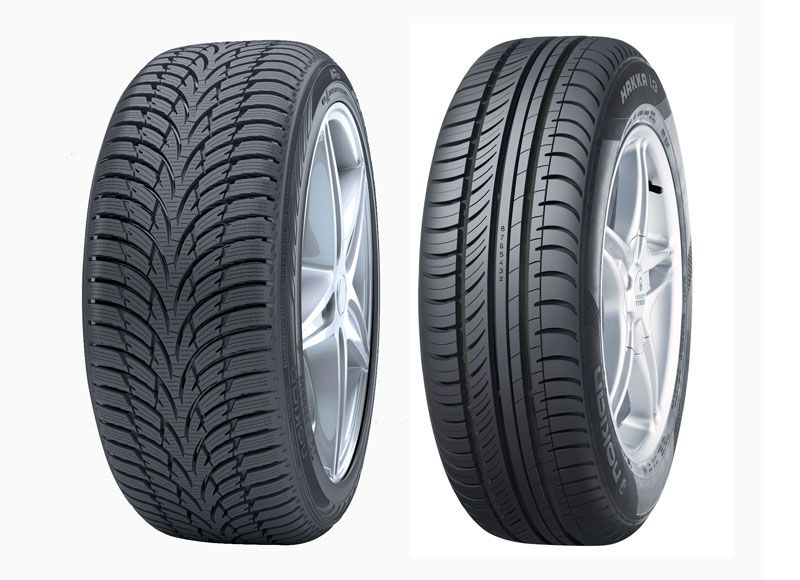

Pneumatici Nokian

Perché montare pneumatici estivi durante l'estate e pneumatici invernali durante l'inverno? Prima di tutto per motivi di sicurezza, ma non solo. L'istituto elvetico TCS, la società di riferimento in Svizzera in materia di assistenza e informazione stradale, ha effettuato alcuni test comparativi su pneumatici estivi e invernali di livello medio acquistabili in commercio, mettendo in evidenza le notevoli differenze in fatto di sicurezza, quando si confrontano le strutture caratteristiche di gomme diverse.
Giovedì 25 Agosto 2011 6 minuti di lettura
Se si considerano le diversità degli spazi di frenata probabilmente qualsiasi automobilista conviene che montare i pneumatici adeguati alla stagione è un fatto di assoluta necessità. All'aspetto della sicurezza si aggiunge quello dell’economicità, perché il cambio dei pneumatici al momento giusto può anche consentire di risparmiare denaro.
Ecco una panoramica sui test effettuati dal TCS:
1. Spazio di frenata sull’asciutto a ca. 10°C: a queste temperature, l'attuale mescola dei pneumatici estivi con la componente di silice e la struttura dei profili sono un vantaggio, perché lo spazio di frenata è ca.12 metri più breve rispetto a quello degli pneumatici invernali.
2. Spazio di frenata sull’asciutto a ca. 20– 25°C: a temperature alte, la mescola dei pneumatici estivi e il loro profilo sono un chiaro vantaggio rispetto agli pneumatici invernali. Lo spazio di frenata è inferiore di 18 metri a quello degli pneumatici invernali.
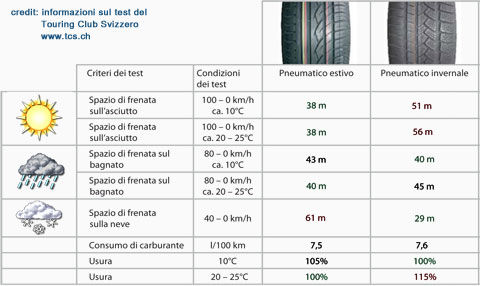
3. Spazio di frenata sul bagnato a ca. 10°C: a temperature basse, la struttura del profilo e le lamelle conferiscono
al pneumatico invernale un chiaro vantaggio. L'acqua viene espulsa con più efficienza e la mescola di gomma è concepita per le basse temperature.
4. Spazio di frenata sul bagnato a ca. 20– 25°C: a temperature alte si risente che la mescola dei pneumatici invernali è più morbida. I risultati dei pneumatici estivi sono leggermente migliori.
5. Spazio di frenata sulla neve: sulla neve il pneumatico estivo comporta un rischio altissimo per la sicurezza.
Lo spazio di frenata si allunga di circa il 50% e la velocità residua è ancora di 29 km/h ad una velocità d’inizio frenata di 40 km/h.
6. Consumo: riguardo al consumo di carburante, la differenza tra un veicolo attrezzato di pneumatici estivi
e uno di pneumatici invernali, è di circa 0,1 l/100 km.
7. Usura a ca. 10°C: a temperature basse, il pneumatico invernale è soggetto ad un’abrasione leggermente inferiore a quella di un pneumatico estivo. L’usura di un pneumatico del tipo ogni stagione è superiore del 10% a quella di un pneumatico invernale.
8. Usura a ca. 20– 25°C: ad alte temperature, l'usura di un pneumatico del tipo ogni stagione è di ca. il 10%, e quella di un pneumatico invernale di ca. il 15% superiore a quella di un pneumatico estivo.
In termini di economicità il ciclo per il cambio dei pneumatici dipende da diversi fattori (regione d’impiego, guidatore,
veicolo ecc.). I test del TCS evidenziano tuttavia sensibili differenze di usura constatate nelle analisi dei nuovi prodotti.
Con l’uso alternato di pneumatici estivi e invernali, i costi per il loro acquisto e i rispettivi cambi, calcolati su un periodo di esercizio di 6 anni o per una prestazione di 90000 km, compreso l'acquisto di 4 cerchioni in alluminio e la rispettiva equilibratura, risultano un po' meno alti che non circolando tutto l'anno con gomme estive.
Chi vuole veramente risparmiare, può equipaggiare il proprio veicolo di pneumatici della dimensione più conveniente. Per il treno di pneumatici invernali, si possono scegliere gomme di dimensione leggermente inferiore alle estive, evidentemente omologate per la propria auto, da montare su cerchioni di acciaio.
Consensi sui social
Più letti in Turismo
Il DNA Redster protagonista con gli Atomic Summer Racing Ski Test 2026: si fa base allo Stelvio
Tutti i Pro Center e Racing Point del brand austriaco per l'estate sugli sci dedicata ad atleti e sci club italiani e internazionali. Werner Heel e Luca Tavian, manager per Atomic Italia: Ogni dettaglio permette di spingere sempre più avanti la performance.

2